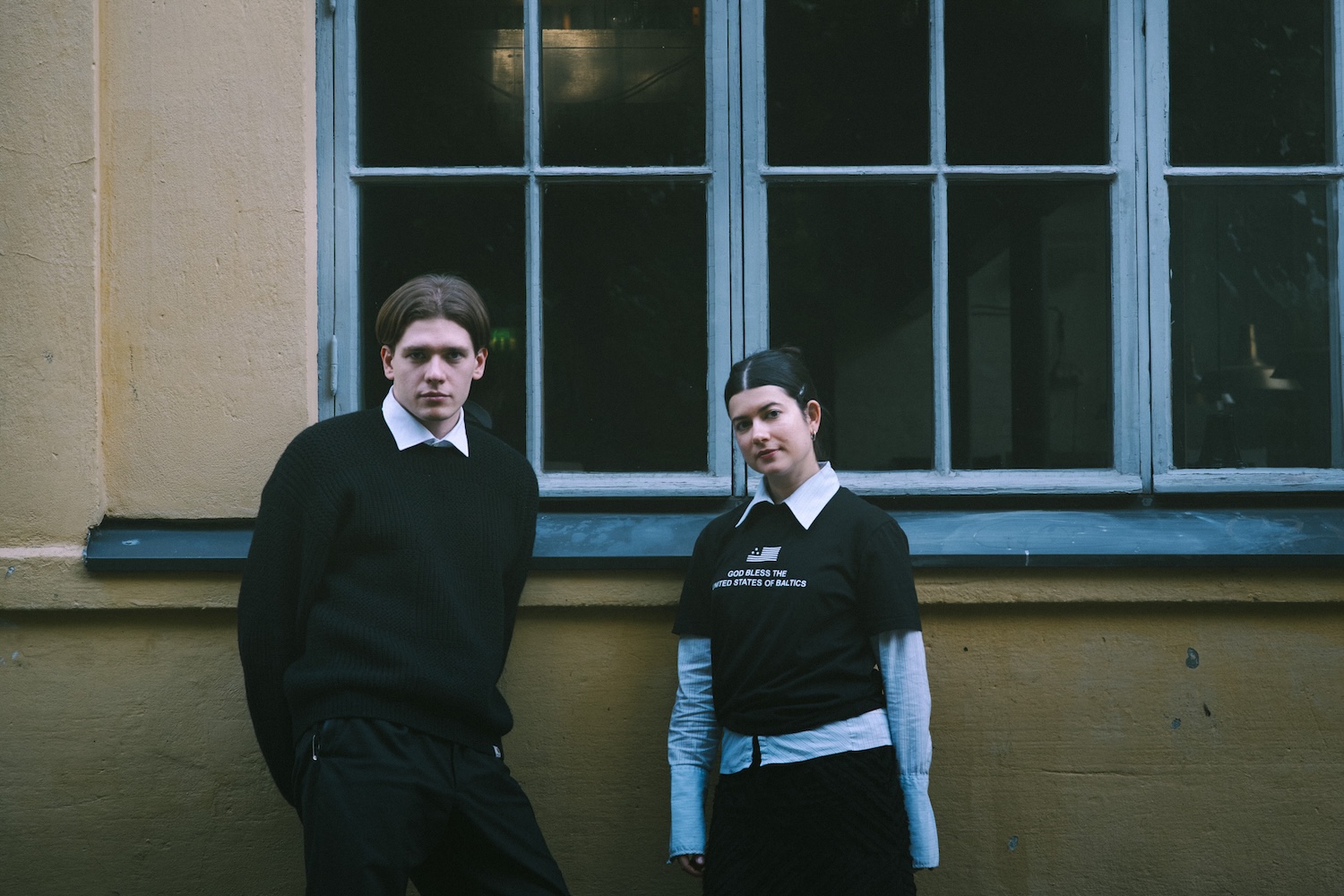
Rolling Papers paints a picture of Estonian youth living in constant present while also being at a turning point. Director Meel Paliale thinks cinema can be more than a strictly defined story that the viewer follows.
Sebastian (Mihkel Kuusk) is having a transformational summer. He meets a free soul Silo (Karl Birnbaum), whose company makes him question his established models for normal life. Sebastian starts spending time in a friend group that searches for meaning and destination. What is there to grab onto when there are too many options available?
Nora (Maria Helena Seppik), a law student dreaming of a stable income, offers Sebastian an anchor to a relationship, but is that enough to someone like him, yearning for freedom?
There is a lack of films representing youth in Estonia that Meel Paliale’s Rolling Papers (2025) is patching up.
“There’s a lot of confusion amongst the youth in relation to adults’ world. Climate change, economic crises and competitive work life lead many to dream of a life on their own terms. I felt the importance of giving a voice to the youth, because Estonian cinema mostly focuses on historical subjects and entertainment,” Paliale tells.
His process as a filmmaker is focused on authenticity. All of the film’s characters are based on real people he knows.
“For example Silo is based on a real person, who lived two years in Australia. He’s a relatable guy. Everyone for sure knows someone who wants more freedom in their life.”
Naturalistic, almost documentarian style to record humane encounters, conversations and scenes brings to mind slacker-films and the director admits he looks up to. He feels drawn to filmmakers like Richard Linklater, who give space to dialogue and encounters without a distinct story. Paliale believes the story of a film is formed – if it is formed – in the viewer’s mind.
“A film doesn’t necessarily need a story if it meets the viewer at an emotional level. Meaningful, relatable characters and interesting situations carry cinema as a form of art. I don’t want to tell but show.”
Paliale’s first film Tree of Eternal Life (2021) – also seen at Love & Anarchy – was a heartwarming road movie. Rolling Papers parks itself strictly in Tallinn. The city is a character in the film amongst others, historical but at the same time a
hypermodern concrete jungle that the youth make their own in bars, clubs and bands’ training rooms.
“I wanted to depict Tallinn the way we see it as a young-ish cast and crew. Even though the film’s characters rebel against their small city, they also love it. Tallinn gets easily overshadowed by its larger neighbouring cities, but it has lots to offer.”
Rolling Papers was filmed with a small budget by means of acting students. Paliale himself directed, wrote the script and composed the music for the film. It was important for him to keep the filming days warmhearted and homespun. This results in the naturality and spontaneity of the actors.
“To me, Rolling Papers feels like a result of something that a friend group has made. It was done by volunteer work, without any hierarchies or pressure. In my opinion this gave the actors room to bring themselves into the work. Nobody was breathing on their necks, and they got to be present in the moment and see where it leads.”
Being a guest at Love & Anarchy -festival feels natural to Paliale, because he has a close relationship with Finnish cinema.
“Especially early Kaurismäki films appeal to me. They have their own, reduced style, where the storytelling doesn’t try to guide the viewer.”
Joonas Kallonen