Trial of Hein
After returning to his childhood home, Hein finds himself caught up in a Kafkaesque trial where he must prove that he belongs to the village community that seems to have forgotten him.
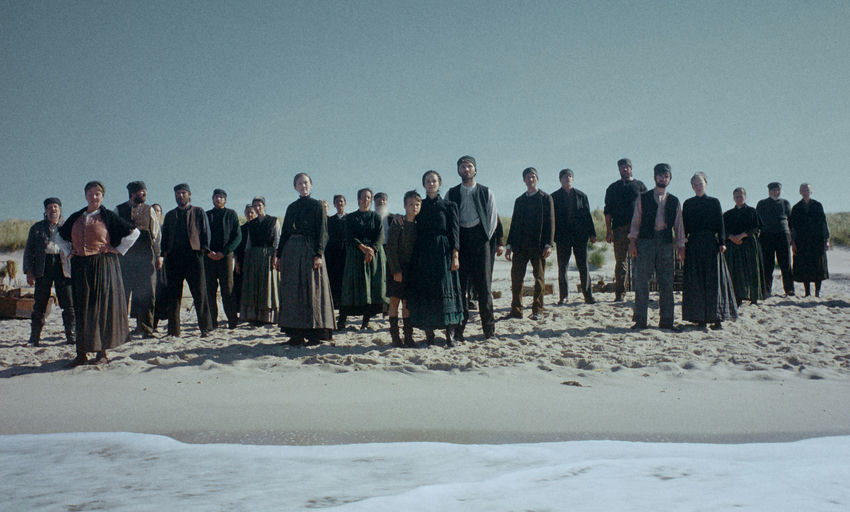
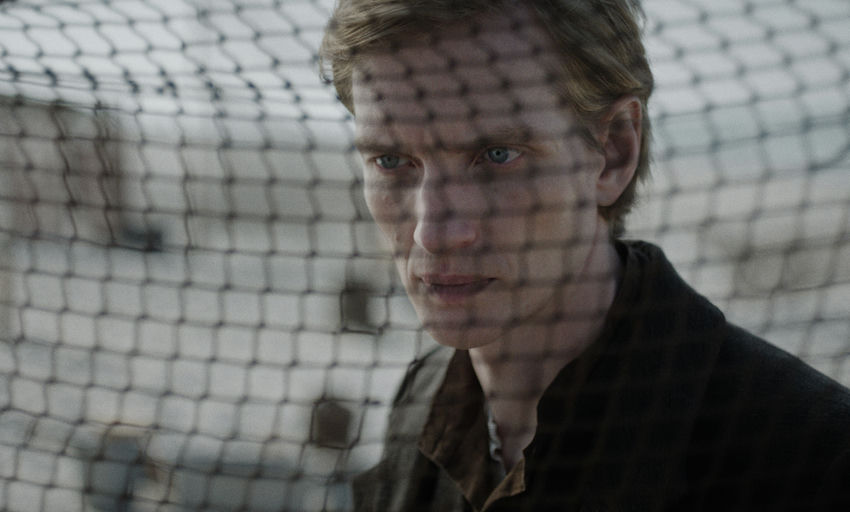
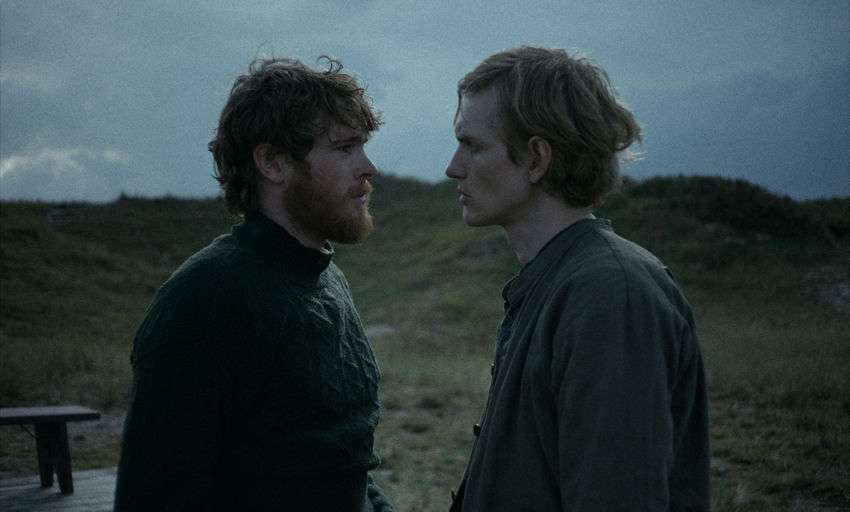
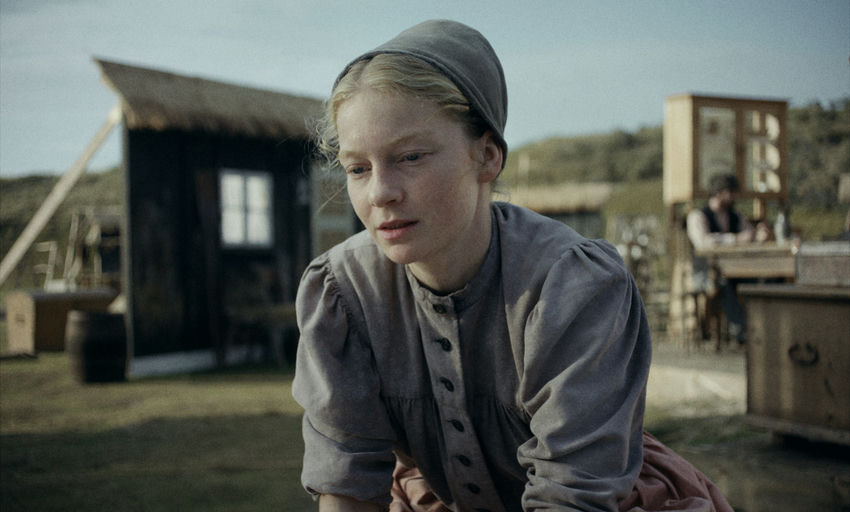
After 14 years away Hein returns to his home island, where he is welcomed coldly: the village’s community and even Hein’s own family members don’t recognise him or admit to knowing him. To become a part of the community Hein must prove he is who he says he is. He just happens to remember his childhood differently from the villagers, who define the past completely arbitrarily.
The film grapples with history and the question of who has the power to define it. From the community’s survivals standpoint, its collective memory is crucial to its survival. Without a collective memory and history there is no community. Truth, if it even exists, doesn’t matter if the group needs to be protected from enemies, even imaginary ones. The film’s excellent set design shows how fragile and artificial the community is. The village is held up by frail constructions that only give shelter because it’s believed that they do.
In the spirit of Haneke’s The White Ribbon (2009), Trial of Hein weaves elegantly together themes about Europe’s political climate, as well as the individual’s roles on a smaller scale: which facades are we willing to hold up and why?
Anna Jolma (translated by Laura Niittynen)
Screenings
-
Cinema OrionSat 19.9. at 20.45–22.47122 min, 1/3
-
Cinema OrionSun 20.9. at 14.00–16.02122 min, 2/3
-
Kinopalatsi 2Sat 26.9. at 13.00–15.02122 min, 3/3
Trailer
Collaboration