Sugar Island
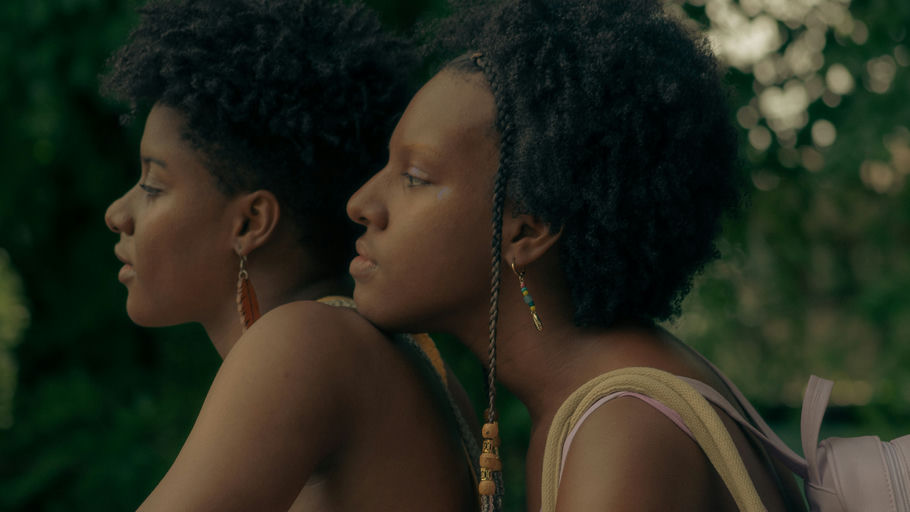
In this magical coming-of-age story awarded at the Venice Film Festival, an undocumented, pregnant teenage girl lives on a sugar plantation in the Dominican Republic, where abortion is illegal and men get away with everything.
Please note! Unlike stated in the printed programme leaflet, the Sept. 20 screening starts at 4.30 pm, not 4 pm.
The life of 16-year-old Makenya represents a long continuum. Her grandfather has worked on the sugar fields for 40 years. Makenya’s mother sells bread to the workers and practices a religion originating from another continent.
The characters of this film, set in the Dominican Republic, are undocumented, poor and disadvantaged. Makenya becomes pregnant, but the bigger tragedy, rather than the teen pregnancy, is the colonial pattern referred to in the opening credits of the film: the sugar production and slavery were two symbiotic trades. The modern day wheels of bureaucracy crush all dreams about IDs and official statuses. Once a slave, always a slave, for generations to come.
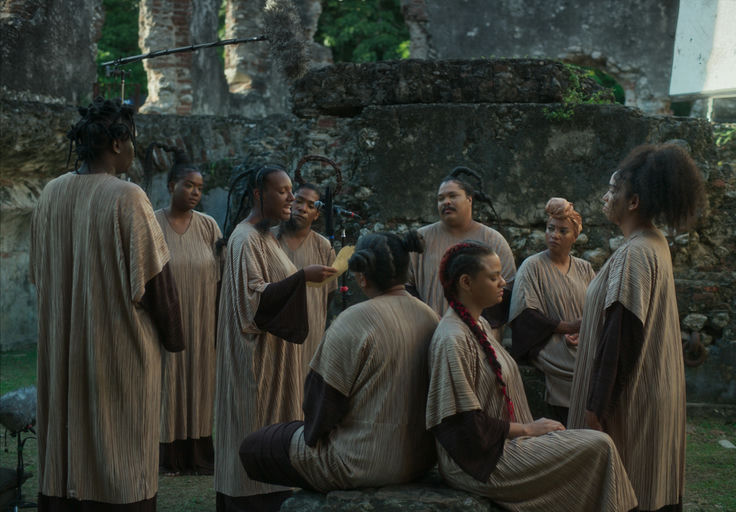
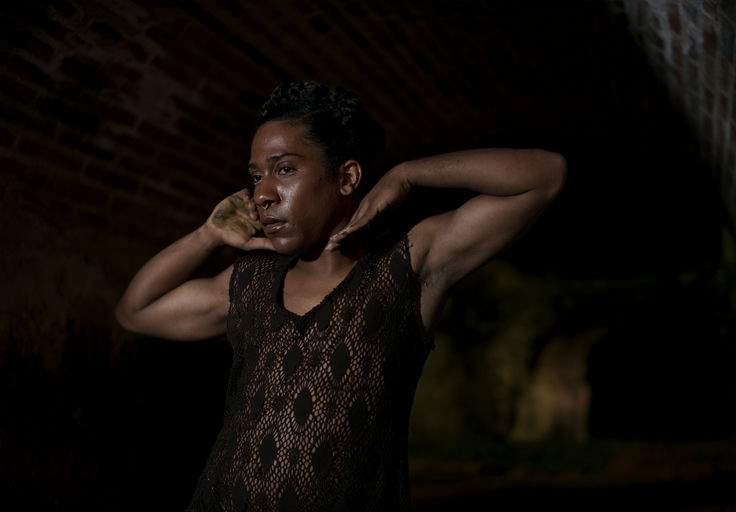
This drama is the first fictional feature by documentarian Johanné Gómez Terrero. The at times almost ecstatic images allude to a different kind of world, trance, and a spirit shaped like a snake. It is something else than the speeches the doctor gives Makenya about Virgin Mary, whose teenage pregnancy was the will of God.
Sugar Island resembles the American indie classic Daughters of the Dust, (R&A 1993 & 2018). These two films have a unique visual style in common, which in Sugar Island is accompanied by intoxicating music.
Kaisu Tervonen (translated by Charlotte Elo)
Trailer
Collaboration