R&A Shorts: Refugee Film Festival Presents
Compiled in collaboration with the Refugee Film Festival, the short films in the screening take a look at topical issues relating to refugee and human rights.
Refugee Film Festival is Finland’s only film festival dedicated to films about refugees and human rights. This year, RFF is proud to present a selection of interesting short films to the R&A audience. The programme features strange and haunting stories set in border zones, protest camps, the beginnings of war — and even a longing to reach a sea that remains out of reach. These films offer meaningful stories and fresh perspectives on displacement, survival, and resistance.
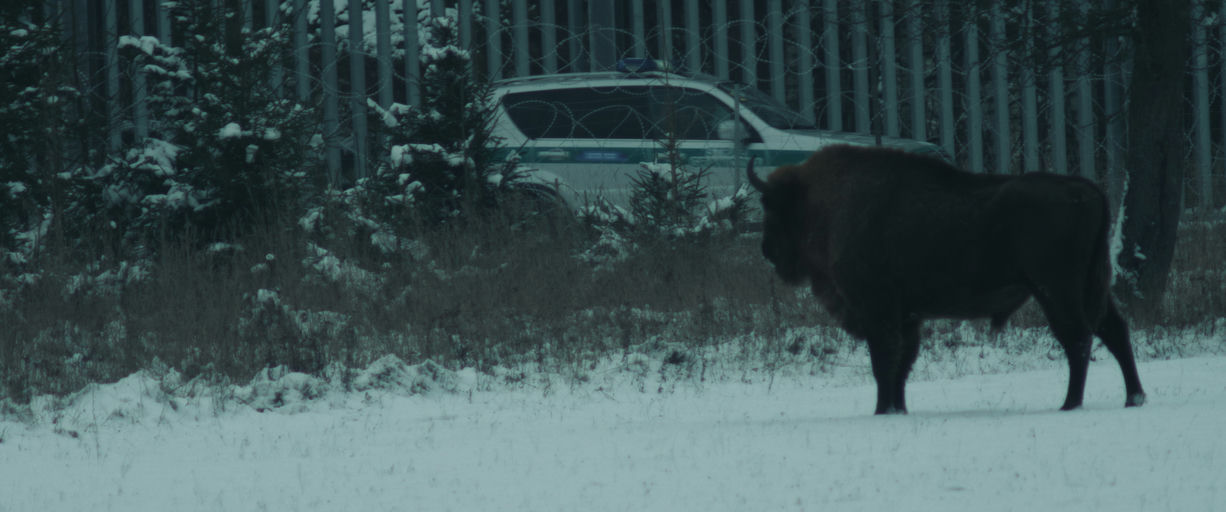
Wojciech Weglarz’s documentary Bloodline is set on the border between Poland and Belarus. Here, in the oldest forest in Europe, is the natural habitat of the European Bison, also known as wisent. The area is bordered with barbed wire fencing, and we observe a wisent that has become separated from its herd by the fence. It is not able to cross the fence to join the others. The film focuses on the animals, but in the background, the barbed wire fences, tanks, and border guards work hard to keep refugees from entering the European Union. The film is concise in form and short in length, but it has a multi-faceted approach to dealing with themes such as borders, nature, and the consequences of human activity.
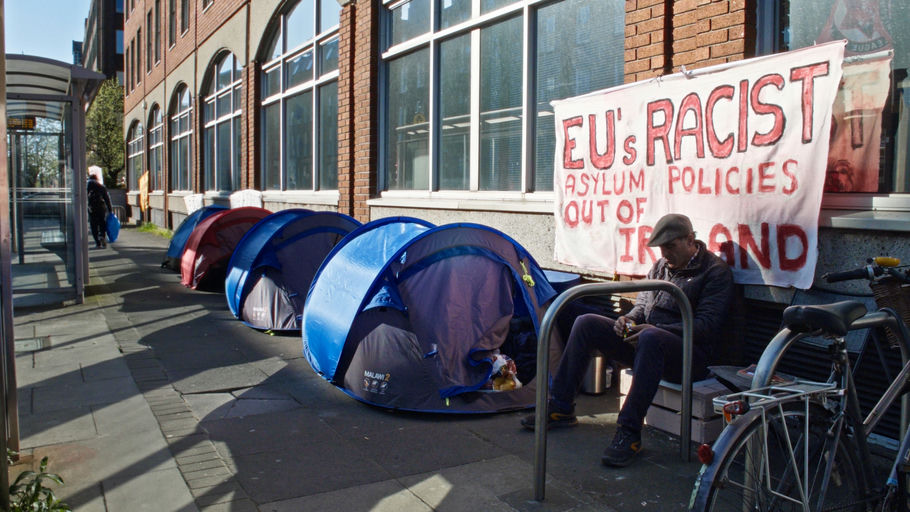
Dennis Harvey’s documentary The Building and Burning of a Refugee Camp tells the story of a protest camp set up by asylum seekers in Dublin. The camp was established after the Department of Integration, the agency in charge of immigration affairs, decided to deny refugee status to over 1400 applicants. A group of asylum seekers set up camp on a street near the agency’s office in an attempt to get publicity for their cause. Everyday life in the camp is depicted through three main characters, Simon, Hasiballah, and Sam. Outside the camp, the threat of far-right activity and aggression towards the camp-dwellers is rising.
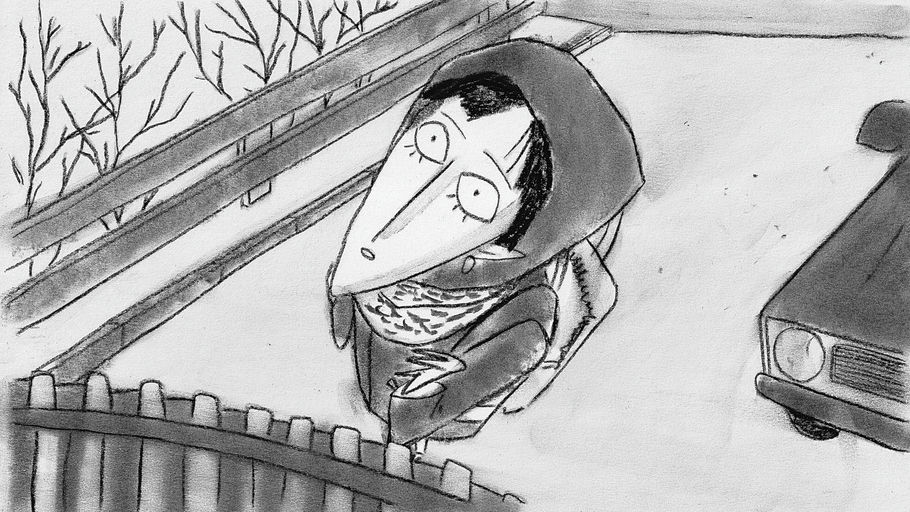
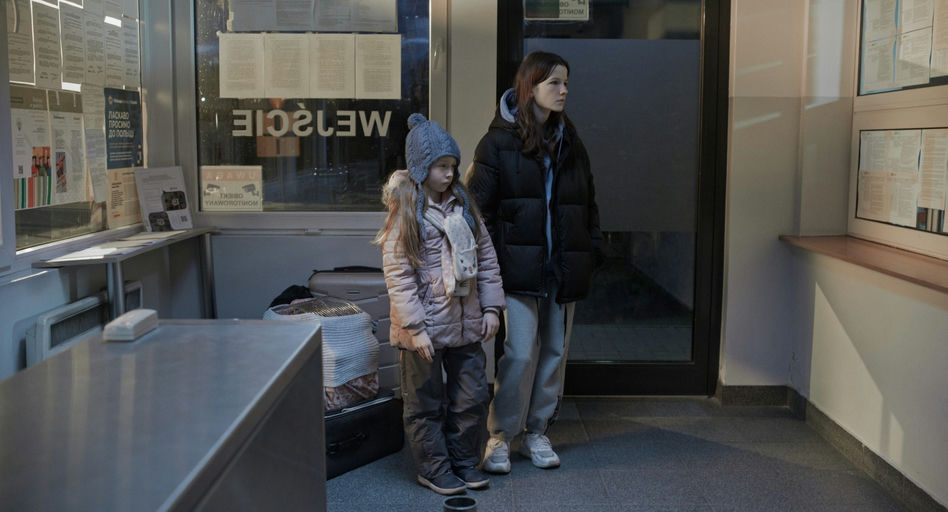
Maria Magriel’s Granica tells the story of how Ukrainian Oksana and her two daughters attempted to cross the border between Belarus and Poland. Their crossing is halted because the canary they have brought with them does not have the appropriate paperwork. Oksana is in a difficult place in her life, and she is far from a perfect mother. The film is about how our circumstances are often out of our control and how families live in the middle of messy situations. Oksana is unable to decide what to do with the canary, and her eldest daughter is forced to make a choice that will affect the whole family.
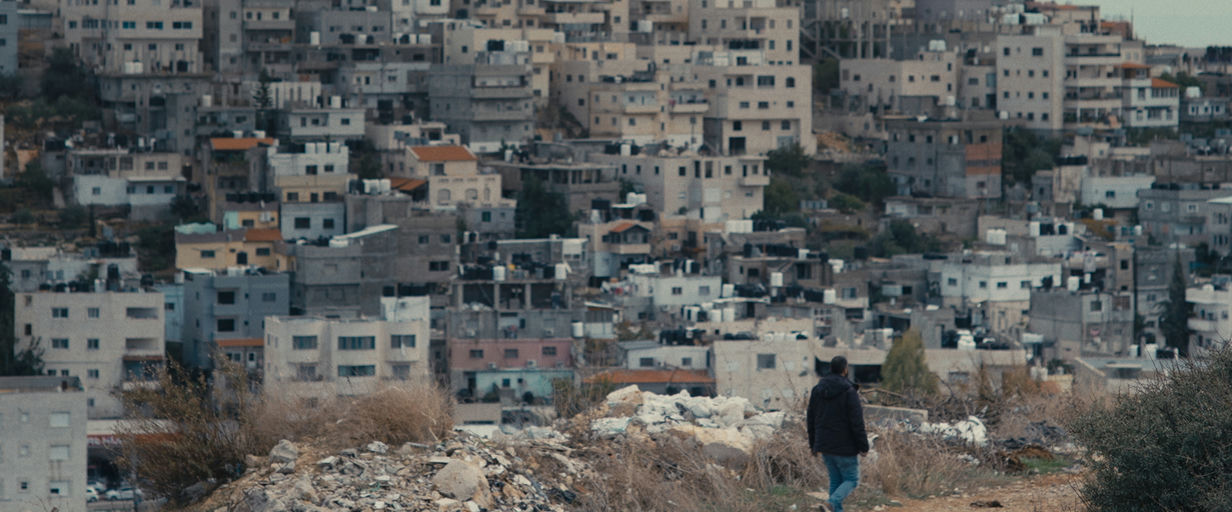
The screening is closed by The Deer’s Tooth, a film by the Palestinian director Saif Hammash. Wisam, an artist, wanted to fulfil the wish of his little brother, who wanted his milk tooth to be cast into the sea. But Wisam is not able to reach the sea from behind the wall. This film is about a family’s grief, but to the film’s characters, especially the children, stories, tales, and myths bring hope.
Anna Korhonen, Refugee Film Festival (translated by Herman Tikkanen)
Bloodline
I Died in Irpin
The Building and Burning of a Refugee Camp
Border
The Deer's Tooth
Collaboration