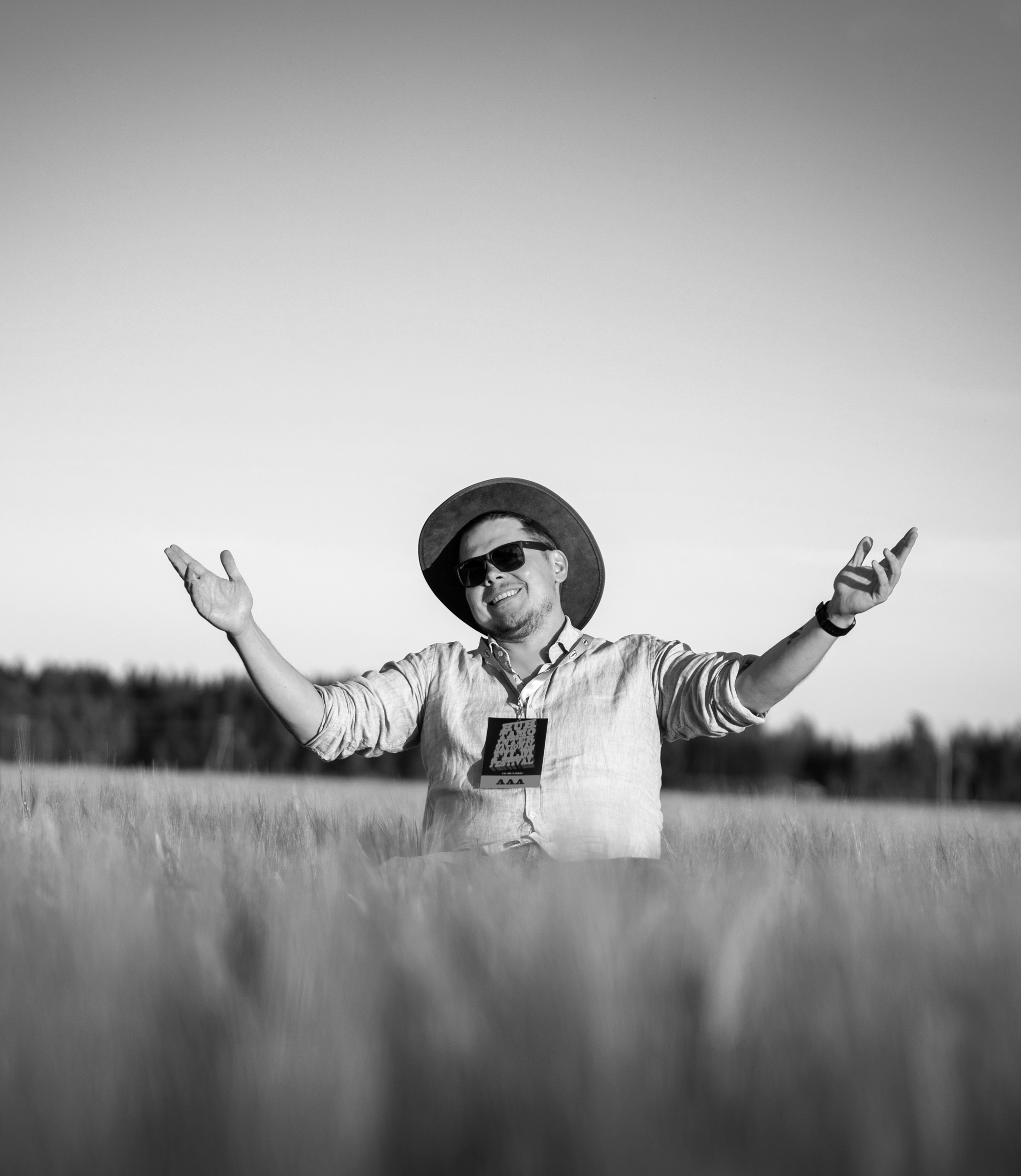
As an independent filmmaker with deep roots in the Finnish countryside, I find a striking parallel between the struggles of farmers and those of indie filmmakers. Both fields involve passion-driven individuals battling against systemic challenges, often feeling like they are working against a tide that doesn’t fully appreciate their worth. Just as farmers are squeezed by the demands of producing cheap food for a market that often forgets the value of local produce, independent filmmakers find themselves marginalized in an industry where funding is increasingly scarce and reserved for a privileged few.
The Finnish film industry is currently facing a significant crisis, exacerbated by cuts to grant funding and the broader economic instability caused by global events. For independent filmmakers, however, this crisis is not new; it’s merely a continuation of a long-standing struggle to secure financial support. The grant system, while designed to support the industry, often feels inaccessible and out of reach for those who need it most. This reality forces independent filmmakers to seek alternative funding solutions, turning what could be forever-lost opportunities into tangible projects.
Food for Thought
In farming, the relentless pursuit of efficiency and cost-cutting has led to a situation where only a small fraction of farmers can survive, let alone thrive. Similarly, in filmmaking, the concentration of grant money in the hands of a few has created an environment where only a select group of filmmakers can secure the necessary resources to realize their visions. Just as farmers have to lobby for the importance of domestic food production, independent filmmakers must advocate for their own value in an industry that often overlooks them.
Farming is no longer seen as a profitable venture in the eyes of many; it’s become something akin to social welfare, with subsidies barely keeping farmers afloat. In filmmaking, the situation isn’t much different. Grants, when they are awarded, are often insufficient to cover the real costs of production. Independent filmmakers are left to make up the difference, often by taking on multiple roles or working under less-than-ideal conditions. This is reminiscent of the way farmers are expected to produce food cheaply, despite the high costs associated with maintaining quality and safety standards.
The Need for Alternative Funding in Filmmaking
Given the challenges within the traditional funding system, alternative funding methods have become essential for independent filmmakers. Crowdfunding, private investments, and partnerships with brands are just some of the ways filmmakers can bypass the increasingly restrictive grant system. While these methods require creativity and resilience, they offer a way forward for filmmakers who might otherwise see their projects stall or disappear altogether.
Crowdfunding, for example, allows filmmakers to build a direct connection with their audience, much like how farmers who sell directly to consumers can bypass the middlemen who drive down prices. Still, this in most cases is just a nice bonus and should be treated as such since it’s always a small scale extra value that doesn’t solve the whole picture.
However, just as consumers need to be educated about the true value of food, audiences must be shown why supporting independent film is crucial. This requires transparency and honesty throughout the production process, ensuring that all contributors understand the project’s scope and the realities of working with a limited budget.
Private investments and brand partnerships can also be viable alternatives, though they come with their own set of challenges. Much like how farmers must balance the demands of large retailers with their commitment to quality, filmmakers must navigate the expectations of investors without compromising their creative vision. This requires a careful balancing act, but it can lead to successful projects that might not have been possible through traditional funding avenues.
The Future of Finnish Filmmaking
Despite the challenges, there is reason to be optimistic about the future of Finnish filmmaking. The current crisis, while daunting, also presents an opportunity for the industry to rethink its approach to funding and support. Just as there is a growing movement to prioritize local, sustainable food production, there is a need to support independent filmmakers who are often the lifeblood of cultural innovation.
It’s crucial that the grant system evolves to be more inclusive and accessible, ensuring that all filmmakers, regardless of their background or connections, have a fair chance to succeed. However, until that happens, alternative funding will remain a vital tool for independent creators. By embracing these methods, filmmakers can continue to bring their stories to life, even in the face of adversity.
Let’s take back movies as a cultural deed, not only as a financial act
Much like the farmers who continue to toil despite the odds, independent filmmakers must persist in the face of systemic challenges. The parallel struggles of these two groups highlight the need for a more equitable and sustainable approach to both food production and film funding. For filmmakers, this means exploring alternative funding options, being transparent with collaborators, and advocating for a more inclusive industry.
As we look to the future, it’s essential to remember that the value of work—whether in the fields or on the screen—cannot be measured solely in economic terms. The stories we tell and the food farmers produce are both fundamental to our culture and society. By finding new ways to support these endeavors, we can ensure that neither farmers nor filmmakers are left behind.
In the end, alternative funding in filmmaking is a lifeline for those who refuse to let their dreams turn into Forever-Lost Opportunities. And just as farmers continue to feed the nation, independent filmmakers will continue to nourish our cultural landscape, one story at a time.
Text: Pekka Ollula
Photo credit: Tiia Öhman